Press | Symphonic Review

Sunday, February 2, 2003
Beethoven Performed in Seemless Fashion During Symphony Concert
By Bruce R. Miller
At Saturday’s Sioux City Symphony concert, pianist Ursula Oppens did what so many guest artists don’t.
She listened.
Throughout Beethoven’s Piano Concerto in E-Flat Major, Opus 73, Oppens complemented what the resident musicians did; she didn’t just expect them to keep up with her. The result was a seamless performance that must have been as exciting for the orchestra as it was for the audience.
Ironically, the piece was one Beethoven wrote after he had lost his hearing. Filled with rapid runs, it could have been a “look at me” turn for the two-time Grammy winner. Instead, Oppens played as if she had been a member of the orchestra for years.
Slipping into the stormy duel between the cellos and the violins, she gave the work the understated surprise it needed. In the second movement, she created the piano equivalent of Frank Lloyd Wright’s Fallingwater, a fluid aria that got Oppens to embrace the piano and dig into the music’s very definite structure. She even nodded her head in ways that suggested the fire of the work’s creator.
Because the orchestra and the guest artist were so well matched, heat seemed to rise from the stage. In truth, the building’s thermostat was set a bit high. But the musicians could have melted ice with their performance.
Unfortunately, the first (“Overture to Fidelio”) and last (Symphony No. 7 in A Major, Opus 92) offerings didn’t have as much heat as the centerpiece.
The timpanist was challenged on both, but overwhelmed in the former, impressed in the latter.
The oboes got a chance to solo in the symphony as well. But this was really a night for strings. In all three selections, the pace was intense. The workout was a good one.
While the overture wasn’t as memorable as it could have been, it made the concerto all the more special. The symphony, as a result, was a bit of a let-down, even though it asked more of its players and reeked of the familiar. There were sections that have been lifted for film scores, movements that have served as inspiration for others (including Schubert).
The play “Amadeus” made much of Mozart’s excess (“too many notes, the royal said). But Beethoven insisted every one he put on paper was important. When the symphony was performed in 1813, Mozart’s old nemesis Antonio Salieri led the percussion section. It’s easy to see the necessity of every melody, counter-melody and beat. The stuff works because it’s so intricate.
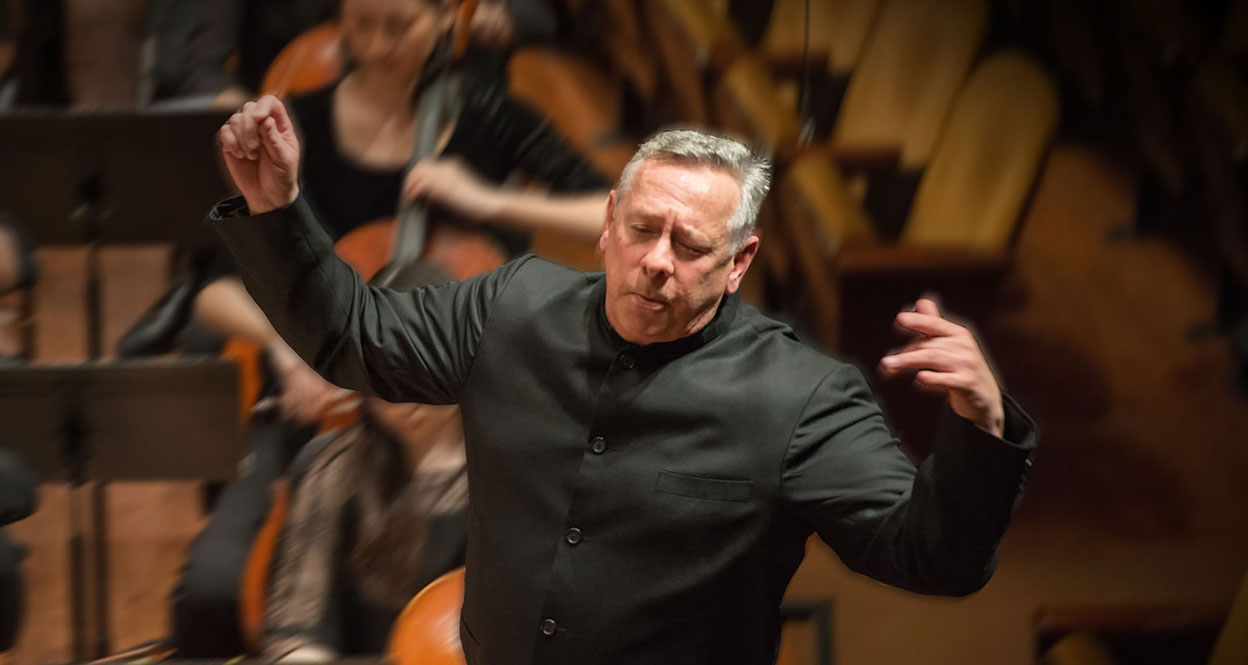
One look at conductor Stephen Rogers Radcliffe revealed as much. He got the best exercise of all.
And he enjoyed the perks of a guest performer who wasn’t around for the glory.
She was there for the workout, too.
![Sunday, Feb. 2, 2003 Sioux City Journal Vol. 139 No. 150 • Sioux City, Iowa • METRO EDITION Beethoven performed in seemless fashion during symphony concert By Bruce R. Miller Journal staff writer [REVIEW] At Saturday's Sioux City Symphony concert, pianist Ursula Oppens did what so many guest artists don't. She listened. Throughout Beethoven's Piano Concerto in E-Flat Major, Opus 73, Oppens complemented what the resident musicians did; she didn't just expect them to keep up with her. The result was a seamless performance that must have been as exciting for the orchestra as it was for the audience. Ironically, the piece was one Beethoven wrote after he had lost his hearing. Filled with rapid runs, it could have been a "look at me" turn for the two-time Grammy winner. Instead, Oppens played as if she had been a member of the orchestra for years. Slipping into the stormy duel between the cellos and the violins, she gave the work the understated surprise it needed. In the second movement, she created the piano equivalent of Frank Lloyd Wright's Fallingwater, a fluid aria that got Oppens to embrace the piano and dig into the music's very definite structure. She even nodded her head in ways that suggested the fire of the work's creator. Because the orchestra and the guest artist were so well matched, heat seemed to rise from the stage. In truth, the building's thermostat was set a bit high. But the musicians could have melted ice with their performance. Unfortunately, the first ("Overture to Fidelio") and last (Symphony No. 7 in A Major, Opus 92) offerings didn't have as much heat as the centerpiece. The timpanist was challenged on both, but overwhelmed in the former, impressed in the latter. The oboes got a chance to solo in the symphony as well. But this was really a night for strings. In all three selections, the pace was intense. The workout was a good one. While the overture wasn't as memorable as it could have been, it made the concerto all the more special. The symphony, as a result, was a bit of a let-down, even though it asked more of its players and reeked of the familiar. There were sections that have been lifted for film scores, movements that have served as inspiration for others (including Schubert). The play "Amadeus" made much of Mozart's excess ("too many notes, the royal said). But Beethoven insisted every one he put on paper was important. When the symphony was performed in 1813, Mozart's old nemesis Antonio Salieri led the percussion section. It's easy to see the necessity of every melody, counter-melody and beat. The stuff works because it's so intricate. One look at conductor Stephen Rogers Radcliffe revealed as much. He got the best exercise of all. And he enjoyed the perks of a guest performer who wasn't around for the glory. She was there for the workout, too.](https://stephenrogersradcliffe.com/wp-content/uploads/2003/02/2003_02_02_Sioux_City_Journal_Feb_2_2003-791x1024.jpg)