![Sioux City Journal April 12, 1998 Orchestra presents monumental symphony in ‘The Resurrection’ By Judi Hazlett Journal staff writer [Review] There may be bigger orchestras performing Mahler in bigger cities, but you’ll have to look long and hard to find any that will beat what happened right here in Sioux City Saturday night. It was a monumental musical event as the Sioux City Symphony Orchestra played a monumental symphony. Gustav Mahler’s Symphony No. 2, "The Resurrection," is a work of gigantic imagination and creativity in itself, but performing it takes on superhuman proportions. For the orchestra, its length and challenges loom large. Logistically, to get a huge orchestra on the stage at Eppley Auditorium, plus a huge chorus, two soloists and the conductor takes more than just a bit of doing. But the SCSO did it — with lots of style, class and panache, thanks to music director and conductor Stephen Rogers Radcliffe. He kept everything together in a performance that was sustained and deliberate, through the revealing slow and soft parts as well as the Mahler "tornadoes" that whirl everything up and around, then just as quickly suspend you in the storm’s peaceful center before whirling you around some more. Radcliffe never rushed it, but kept it unfolding and growing right into the magnificent finale of the fifth movement. That’s when the meaning of the word resurrection hits home. Out of Mahler’s beginning first movement — a funeral march — themes move through four more movements with moments depicting earthly bliss, turmoil, despair, mourning and the ever-present specter of death. Finally, Mahler realizes death can be transcendent, which, as Radcliffe pointed out, makes this symphony an appropriate one for the resurrection of Christ celebrated by Christians at Easter. The fourth movement introduces a solo voice but the fifth movement pulls out all the stops. It featured knockout performances by mezzo soprano Lucille Beer and soprano Sara Seglem as soloists. Their voices were added to the smooth, full vocalizations of the combined voices of the Siouxland Master Chorale, directed by Gregory Fuller; the Northwestern College Choir, directed by Kimberly Utke; the Wayne State College Choir, directed by David Lawrence; and the Siouxland Community Chorus, directed by Shirley Neugebauer-Luebke. As good as this all was, the evening really belonged to the orchestra, which underwent a resurrection of its own with Saturday’s performance. The musicians play almost every minute of the two and a half hour work, and work it is. Kudos to the brass and horns, which were brilliant, and the strings for providing the glue. Clearly there are the resources here for big works like this.](https://stephenrogersradcliffe.com/wp-content/uploads/jupiterx/images/1998_04_12_Sioux_City_Journal_April_12_1998-scaled-ad2ddd4.jpg)
Press | Symphonic Review

Sunday, April 12, 1998
Orchestra presents monumental symphony in ‘The Resurrection’
By Judi Hazlett
There may be bigger orchestras performing Mahler in bigger cities, but you’ll have to look long and hard to find any that will beat what happened right here in Sioux City Saturday night.
It was a monumental musical event as the Sioux City Symphony Orchestra played a monumental symphony.
Gustav Mahler’s Symphony No. 2, “The Resurrection,” is a work of gigantic imagination and creativity in itself, but performing it takes on superhuman proportions. For the orchestra, its length and challenges loom large. Logistically, to get a huge orchestra on the stage at Eppley Auditorium, plus a huge chorus, two soloists and the conductor takes more than just a bit of doing.
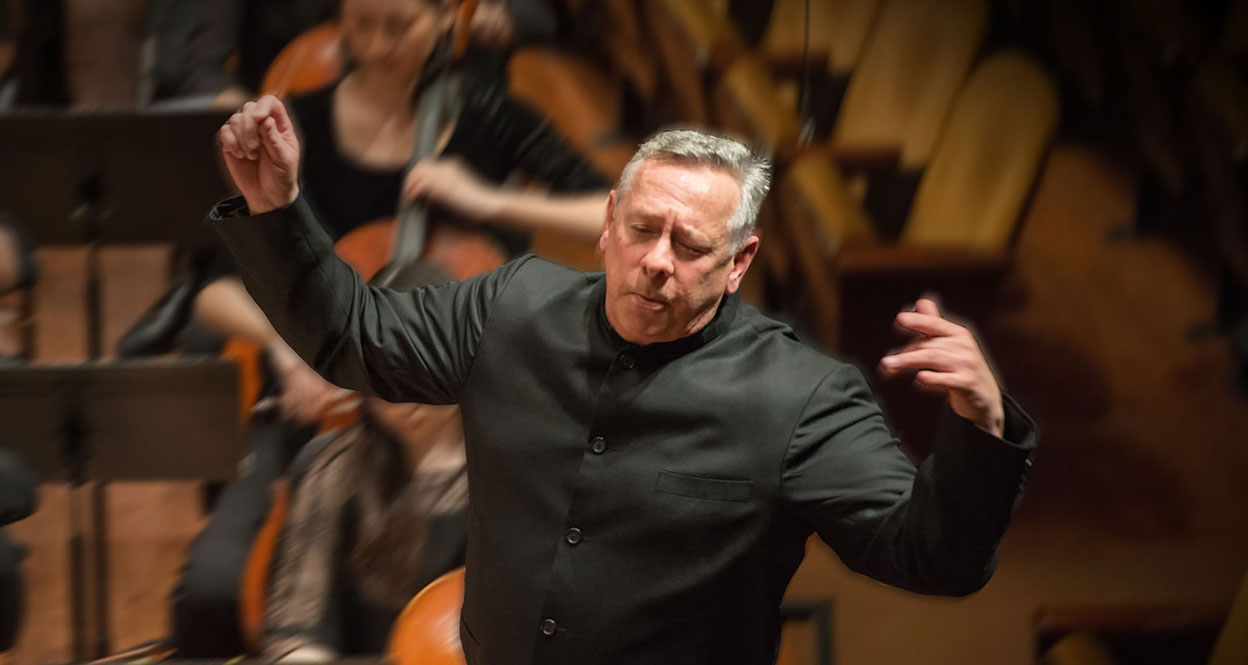
But the SCSO did it — with lots of style, class and panache, thanks to music director and conductor Stephen Rogers Radcliffe. He kept everything together in a performance that was sustained and deliberate, through the revealing slow and soft parts as well as the Mahler “tornadoes” that whirl everything up and around, then just as quickly suspend you in the storm’s peaceful center before whirling you around some more.
Radcliffe never rushed it, but kept it unfolding and growing right into the magnificent finale of the fifth movement.
That’s when the meaning of the word resurrection hits home. Out of Mahler’s beginning first movement — a funeral march — themes move through four more movements with moments depicting earthly bliss, turmoil, despair, mourning and the ever-present specter of death.
Finally, Mahler realizes death can be transcendent, which, as Radcliffe pointed out, makes this symphony an appropriate one for the resurrection of Christ celebrated by Christians at Easter.
The fourth movement introduces a solo voice but the fifth movement pulls out all the stops. It featured knockout performances by mezzo soprano Lucille Beer and soprano Sara Seglem as soloists. Their voices were added to the smooth, full vocalizations of the combined voices of the Siouxland Master Chorale, directed by Gregory Fuller; the Northwestern College Choir, directed by Kimberly Utke; the Wayne State College Choir, directed by David Lawrence; and the Siouxland Community Chorus, directed by Shirley Neugebauer-Luebke.
As good as this all was, the evening really belonged to the orchestra, which underwent a resurrection of its own with Saturday’s performance. The musicians play almost every minute of the two and a half hour work, and work it is. Kudos to the brass and horns, which were brilliant, and the strings for providing the glue. Clearly there are the resources here for big works like this.
![Sioux City Journal April 12, 1998 Orchestra presents monumental symphony in ‘The Resurrection’ By Judi Hazlett Journal staff writer [Review] There may be bigger orchestras performing Mahler in bigger cities, but you’ll have to look long and hard to find any that will beat what happened right here in Sioux City Saturday night. It was a monumental musical event as the Sioux City Symphony Orchestra played a monumental symphony. Gustav Mahler’s Symphony No. 2, "The Resurrection," is a work of gigantic imagination and creativity in itself, but performing it takes on superhuman proportions. For the orchestra, its length and challenges loom large. Logistically, to get a huge orchestra on the stage at Eppley Auditorium, plus a huge chorus, two soloists and the conductor takes more than just a bit of doing. But the SCSO did it — with lots of style, class and panache, thanks to music director and conductor Stephen Rogers Radcliffe. He kept everything together in a performance that was sustained and deliberate, through the revealing slow and soft parts as well as the Mahler "tornadoes" that whirl everything up and around, then just as quickly suspend you in the storm’s peaceful center before whirling you around some more. Radcliffe never rushed it, but kept it unfolding and growing right into the magnificent finale of the fifth movement. That’s when the meaning of the word resurrection hits home. Out of Mahler’s beginning first movement — a funeral march — themes move through four more movements with moments depicting earthly bliss, turmoil, despair, mourning and the ever-present specter of death. Finally, Mahler realizes death can be transcendent, which, as Radcliffe pointed out, makes this symphony an appropriate one for the resurrection of Christ celebrated by Christians at Easter. The fourth movement introduces a solo voice but the fifth movement pulls out all the stops. It featured knockout performances by mezzo soprano Lucille Beer and soprano Sara Seglem as soloists. Their voices were added to the smooth, full vocalizations of the combined voices of the Siouxland Master Chorale, directed by Gregory Fuller; the Northwestern College Choir, directed by Kimberly Utke; the Wayne State College Choir, directed by David Lawrence; and the Siouxland Community Chorus, directed by Shirley Neugebauer-Luebke. As good as this all was, the evening really belonged to the orchestra, which underwent a resurrection of its own with Saturday’s performance. The musicians play almost every minute of the two and a half hour work, and work it is. Kudos to the brass and horns, which were brilliant, and the strings for providing the glue. Clearly there are the resources here for big works like this.](https://stephenrogersradcliffe.com/wp-content/uploads/1998/04/1998_04_12_Sioux_City_Journal_April_12_1998-791x1024.jpg)