
Energetic Youth Symphony Packs a Punch

Between conductor and pianist Symbiosis creates an astounding experience at May 31 Cape May Music Festival concert By ED WISMER Cape May Star and Wave Critic CAPE MAY — The large audience attending the Cape May Music Festival concert on Thursday, May 31 got more than their money's worth. The lengthy list of goodies the music lovers received includes the Cape May Festival Orchestra in all its glory, under the lively baton of Music Director Stephen Rogers Radcliffe. Then there was the outstanding program the orchestra played and the dazzling piano soloist Fabio Bidini. The musical cornucopia was literally overflowing. Gioacchino Rossini had a knack for writing frothy and frivolous overtures even for his allegedly tragic operas. In the midst of the crashing about in the orchestra's percussion section is always a flute sounding like a demented magpie. Thursday night's opening of the composer's "Semiramide Overture" was vintage Rossini. Radcliffe gave it a reading worthy of Toscanini or Muti. It was a tooth rattling and percussive tour de force. The French horn quartet early in the piece was played lushly, as was the work of all sections of the orchestra. Contrasted with Rossini's bombastic boomer, the Schubert "Symphony No. 8," or "Unfinished Symphony," could only be described as tranquil and poetic. Mendelssohn is often described as a composer who never wrote an ugly note, and Schubert could be in the same category. The amount of music he turned out in 31 years, cut short by typhoid fever, is prodigious. His oeuvre amounted to 1,500 pieces. Schubert started to write the Symphony No. 8 when he was 25. He never returned to the project, but he more than earned the right to abandon it considering all the other music he wrote. Radcliffe and the orchestra gave the symphony its due in a haunting rendition that displayed the sonority of the strings and marvelous harmony in the winds. Bidini's advance billing called him a passionate pianist, thus qualifying for the understatement of the year. The Prokofiev concerto is probably one of the most difficult to play in musical literature. It is a deft mixture of melody and dissonance reminiscent of "Rocky IV." Bidini's interpretation was a display of manual dexterity that inspired me to depict him with as many hands as a Hindu idol. His dynamic digits were a mere blur. Artists of Bidini's caliber are what have made the festival grow in stature and reputation. Although essentially hidden behind the concert grand, Radcliffe was a strong presence. His collaboration with the pianist was exquisite. The symbiotic relationship between the two artists was quite evident. Numerous standing ovations were well earned. Cape May Star and Wave June 7, 2001

Press | Symphonic Reviews

Tuesday, May 20, 2008

Energetic Youth Symphony Packs a Punch

By Philippa Kiraly

If I could choose only a few concerts a year to attend, those by the Seattle Youth Symphony would have to be on the list.
It goes without saying this is a good orchestra by any standards, but what sets it apart is the excitement: You can feel it in the air at its concerts — in the audience with many family members and children who otherwise might not attend many performances at Benaroya Hall, but it’s most palpably on stage, where upwards of 115 young musicians, some of them very young, are performing great works of classical music for the first time.

Each piece is a premiere for them, and the energy they put out, the work they’ve put in, and the thrill of being part of a heritage of performance that goes back centuries combine to make every performance something special to hear.

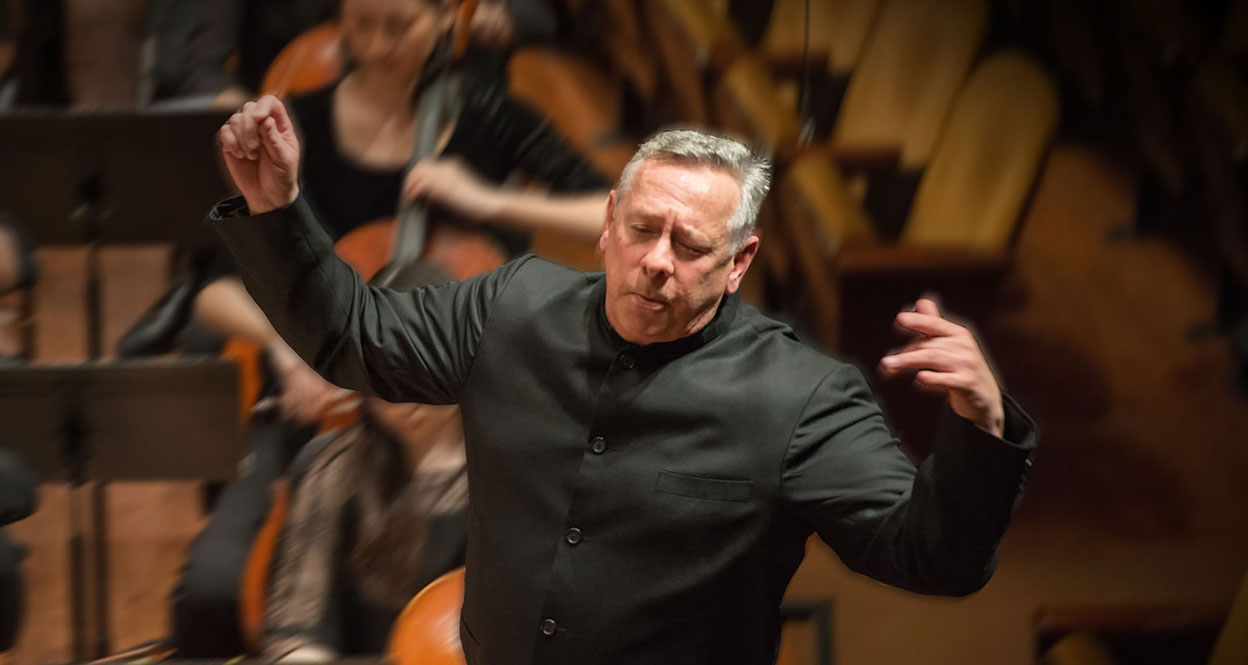
Sunday’s final performance of the season at Benaroya was no exception. Music director Stephen Rogers Radcliffe pulled no punches in choosing the program. It included Beethoven’s “Leonore” Overture No. 3, Richard Strauss’ tone poem “Death and Transfiguration,” and Ravel’s “Valses nobles et sentimentales” as well as his “La valse, poeme choreographique.”

None of the selections is easy. To perform Beethoven with a large orchestra and keep its transparency is a feat at any time, and they did it. The distant trumpet call (from the back of the top tier) sounded suitably heraldic, and there was particularly nice work from several sections. Strauss’ subject is a far cry for most of these kids, but Radcliffe kept the work balanced and shaped, while both Ravel works had a great sense of movement — exuberant, even rollicking at times, more sedate at others, but always giving the sense of swirling dance.

Radcliffe conducted throughout without score. He doesn’t appear to micromanage the orchestra, but it’s evident how well trained it is. Plucked string work was closely together, phrasing had flow.
Radcliffe asked for applause for all of the orchestra’s coaches at the end of intermission, which was enthusiastically given. The players voted by secret ballot for this year’s Inspirational Award, which went to concertmaster Benji Bae.
Seattle Post-Intelligencer packs a punch TUESDAY, MAY 20, 2008 Energetic Youth Symphony packs a punch BY PHILIPPA KIRALY Special to the P-I If I could choose only a few concerts a year to attend, those by the Seattle Youth Symphony would have to be on the list. It goes without saying this is a good orchestra by any standards, but what sets it apart is the excitement: You can feel it in the air at its concerts — in the audience with many family members and children who otherwise might not attend many performances at Benaroya Hall, but it’s most palpably on stage, where upwards of 115 young musicians, some of them very young, are performing great works of classical music for the first time. Each piece is a premiere for them, and the energy they put out, the work they’ve put in, and the thrill of being part of a heritage of performance that goes back centuries combine to make every performance something special to hear. Sunday’s final performance of the season at Benaroya was no exception. Music director Stephen Rogers Radcliffe pulled no punches in choosing the program. It included Beethoven’s "Leonore" Overture No. 3, Richard Strauss’ tone poem "Death and Transfiguration," and Ravel’s "Valses nobles et sentimentales" as well as his "La valse, poeme choreographique." None of the selections is easy. To perform Beethoven with a large orchestra and keep its transparency is a feat at any time, and they did it. The distant trumpet call (from the back of the top tier) sounded suitably heraldic, and there was particularly nice work from several sections. Strauss’ subject is a far cry for most of these kids, but Radcliffe kept the work balanced and shaped, while both Ravel works had a great sense of movement — exuberant, even rollicking at times, more sedate at others, but always giving the sense of swirling dance. Radcliffe conducted throughout without score. He doesn’t appear to micromanage the orchestra, but it’s evident how well trained it is. Plucked string work was closely together, phrasing had flow. Radcliffe asked for applause for all of the orchestra’s coaches at the end of intermission, which was enthusiastically given. The players voted by secret ballot for this year’s Inspirational Award, which went to concertmaster Benji Bae. MUSIC REVIEW SEATTLE YOUTH SYMPHONY ORCHESTRA WHEN: Sunday afternoon WHERE: Benaroya Hall