Press | Symphonic Reviews

February 20, 2001
Conductor, cellist create romantic, phenomenal performance
By Shari Fey
For all the sweethearts who forgot to present their Valentines with a pair of symphony tickets for this past Thursday night’s performance of Dvorak, tsk-tsk.
The Symphony of Southeast Texas produced a wonderfully romantic affair, brimming over with lovely music and a sensational performance by guest artist Matt Haimovitz, a cellist.
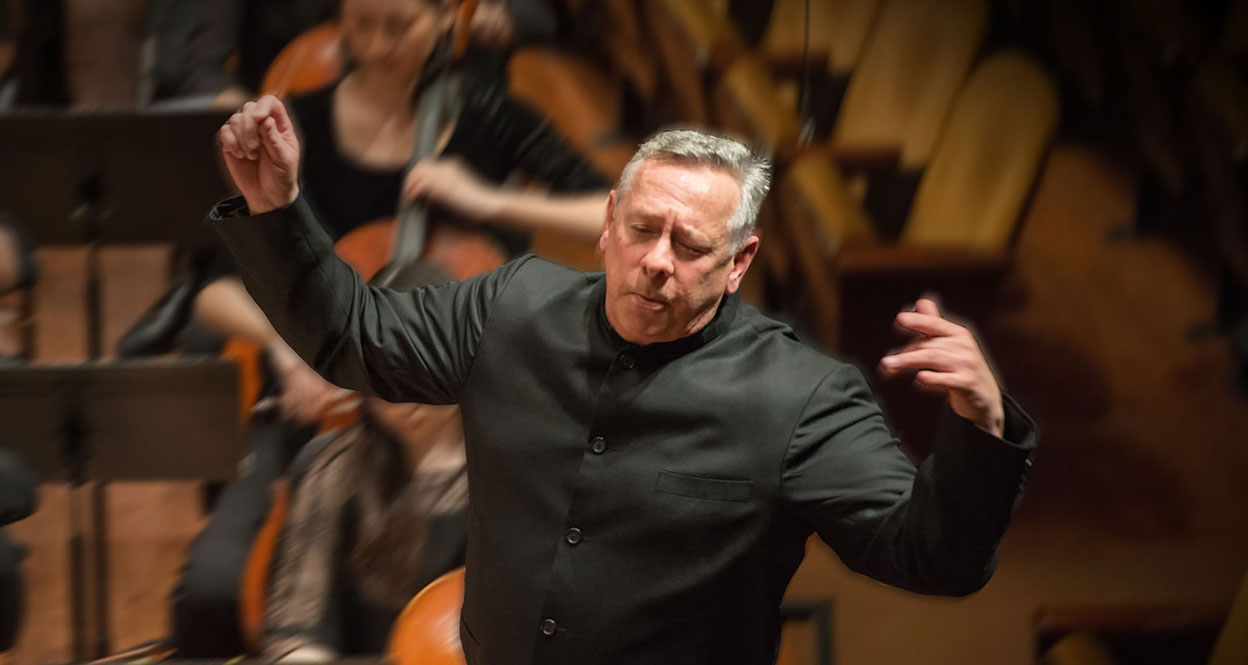
Guest conductor Stephen Rogers Radcliffe, one of the four visiting maestros vying for the job vacated by Diane M. Wittry, chose a program filled with romance.
The selections came from Glinka, Dvorak, Mahler and Elgar.
“The Dvorak (Concerto in b minor for Cello and Orchestra) is a beautiful, romantic piece, and the cello is perhaps the most romantic of all instruments,” Radcliffe said.
His thoughts were echoed by symphony president Michael Truncale, who said, “The Dvorak concerto is a favorite of audiences everywhere.”
Indeed, the concert drew a crowd that included a special member of the audience, Wittry, who, though gone as the symphony’s maestra, remains as artistic adviser.
It was a lush program beginning with Glinka’s “Russlan and Ludmilla Overture,” followed by the highlight, a performance by Matt Haimovitz.
Haimovitz, a twentysomething cellist who is considered one of the best in the world, brings an incredible beauty and passion to playing the cello. His performance of the Dvorak concerto was breathtaking. The intermission — following a tremendous ovation for Haimovitz — people could be heard saying, “That boy can really play that cello.”
Act 2 also was a fine moment for the symphony with Mahler’s “Blumine No. 1” and Elgar’s “Enigma Variations.”
Through it all, Radcliffe kept the orchestra at a perfect performance level.
In a pre-concert interview, Radcliffe, who is the current music director of the Sioux City (Iowa) Symphony and directs the Cape May Music Festival in New Jersey each summer, said that it was a “great privilege” to make music with the Symphony of Southeast Texas.
“You have very fine musicians who take joy in making music,” Radcliffe said. He added that musicians at the big, national symphonies sometimes have forgotten the passion that makes music not a job but a joy.
Radcliffe said the music he performs with other musicians from around the world is the best thing about being a conductor. The challenge of conductors everywhere is convincing the public that “the symphony is not some old, archaic jewel box that should be opened every once in awhile.”
A symphony is a living, breathing institution, he said, and to have a symphony orchestra is a great benefit to any community. The trick is in getting the message out that the symphony can be fun for average people — people who mow their yards and drink beer, just like Radcliffe does.
Being a missionary for classical music means building an appreciation for it. Radcliffe said that when people tell him that they’re not educated in the ways of orchestral music, the conductor says that people go to the movies all the time and they’re not necessarily educated about the topic they’re seeing. You don’t need to be a scientist to enjoy science fiction.
Likewise, newcomers to Dvorak on Thursday didn’t need to be experts to know it was beautiful. Thanks to Radcliffe, Haimovitz and the entire Symphony of Southeast Texas, it was especially so.